
Compliance Solutions for Every Development

Protect Wetlands, Ensure Project Success

We provide eco-friendly wetlands mitigation credits, supporting sustainability while ensuring regulatory compliance for your projects.
Sustainable Solutions Delivered Efficiently...

Wetlands Mitigation Made Simple

Welcome to The Wetlandsbank Company!

We specialize in providing wetlands mitigation solutions, helping developers and consultants meet federal and state regulations while promoting environmental sustainability. Explore our expertise in wetlands conservation and discover how we support your projects with compliant, eco-friendly solutions.

What is a Wetland Mitigation Bank?

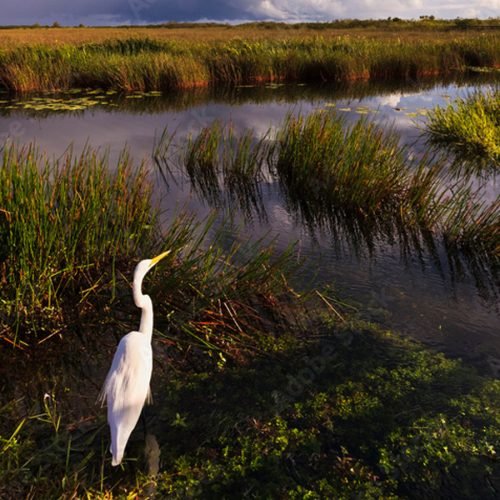
Wetlands are vital ecosystems that play a critical role in maintaining environmental balance. They serve as natural filters for water, control floods, and provide essential habitats for wildlife. However, development and human activity often impact these fragile environments. Wetlands banking is an innovative solution that helps balance economic growth with environmental preservation by restoring, creating, enhancing, or preserving wetlands.
15

How Wetlands Banking Works

Creating and Certifying Wetlands Banks

Learn how wetlands banks are established and approved:

  • Identify suitable sites for restoration or enhancement.
  • Follow federal and state guidelines for ecological improvement.

Purchasing and Using Mitigation Credits

Understand the process of acquiring credits for compliance:

  • Buy credits to offset project impacts on wetlands.
  • Credits are quantified based on ecological function restoration.
  • Ensure compliance with Clean Water Act and staterequirements.

Regulatory Compliance
Florida and Federal

Navigating the Clean Water Act

Understand how wetlands banking fits into federal regulations:

  • Comply with Section 404 permitting requirements.
  • Use mitigation credits to offset impacts on aquatic resources.
  • Work with the U.S. Army Corps of Engineers for project approval.

Stay Compliant

Stay compliant with state wetland regulations:

  • Meet state-specific guidelines for wetlands mitigation.
  • Coordinate with regulating agencies.
  • Utilize approved wetlands banks for efficient project approval.

Streamlined Compliance for Developers

Simplify the regulatory process through wetlands banking:

  • Ensure faster approval for land development projects.
  • Avoid delays by purchasing mitigation credits in advance.
  • Stay aligned with both state and federal environmental laws.

Ecological Restoration and Long-Term Sustainability

Restoring Critical Ecosystem Functions

Wetlands banking restores hydrology, vegetation, and habitats, improving water quality and flood control. By creating larger, more sustainable wetland areas, mitigation banks help maintain essential ecosystem services like water filtration and biodiversity conservation.

Supporting Wildlife and Biodiversity

Restored wetlands provide critical habitats for various species of birds, amphibians, and plants. Consolidated efforts in wetlands banking enhance the survival chances of diverse wildlife populations, contributing to healthier ecosystems.

Improving Water Quality and Flood Protection

Wetlands naturally filter pollutants and sediments from water, reducing erosion and improving overall water quality. Additionally, they serve as natural buffers against flooding, mitigating the impacts of storm surges and heavy rainfall on surrounding areas.

How This Works

Wetland mitigation banking is a method of conservation that allows development while protecting important wetlands. By restoring, enhancing, or preserving wetlands, banks help offset the impacts of development projects across the southeast United States. Below is an overview of the key steps and considerations in the process.

Why Wetland Mitigation Banking is Important

Florida’s wetlands provide vital services like flood control, clean water, and wildlife habitats. Urbanization and development put pressure on these ecosystems. Wetland mitigation banking allows developers to offset their project’s impact by supporting the restoration of wetlands in the same region. This balance helps keep ecosystems healthy while enabling responsible growth.

Key Steps in Establishing a Wetland Mitigation Bank

Mitigation banks require careful planning, permits, and ongoing amanagement. Here are the key steps:
  1. Feasibility Assessment
  2. Site Selection and Design
  3. Permit Application
  4. Regulatory Review and Approval
  5. Public Notice and Comment
  6. Permit Issuance

Benefits of Wetland Mitigation Banking in Florida, Georgia, and Mississippi

Mitigation banking offers many benefits:
  • Environmental Preservation: Protects and restores wetlands, providing important services like flood control and wildlife habitat.
  • Regulatory Compliance: Developers can easily meet permitting requirements by buying credits from mitigation banks.
  • Economic Opportunities for Landowners: Landowners can earn income by creating or selling land to mitigation banks.
  • Sustainable Development: Helps balance growth and conservation by compensating for unavoidable wetland impacts.

Challenges and Considerations

While mitigation banking is beneficial, there are challenges:
  • Complex Permitting: The process requires multiple steps and can take time.
  • Site Suitability: Not all land is suitable for mitigation banks, so assessments are necessary.
  • High Costs: Starting a mitigation bank requires significant investment in land, restoration, and long-term management.
Wetland mitigation banking is a vital strategy for balancing development and conservation, helping maintain the state’s valuable ecosystems.
Expertise, Efficiency, and Proven Results...

Why Choose The Wetlandsbank Company?

Comprehensive Mitigation Solutions
  • Tailored services for site selection, restoration, and regulatory compliance.
  • Proven track record in wetlands mitigation in the southeast United States.
  • Fast, reliable credit availability for projects of any scale.
Sustainability Commitment
The Wetlandsbank Company delivers long-term, eco-friendly solutions that meet both environmental standards and your project’s unique needs, ensuring lasting benefits for ecosystems and developers.
15